




Specifications
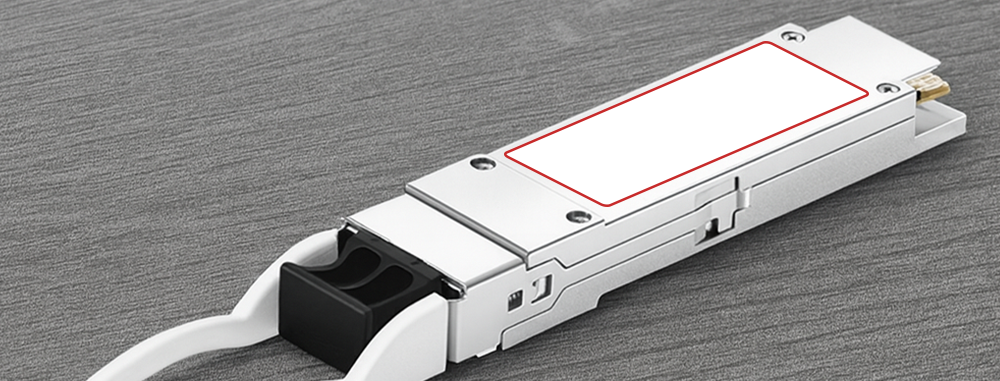
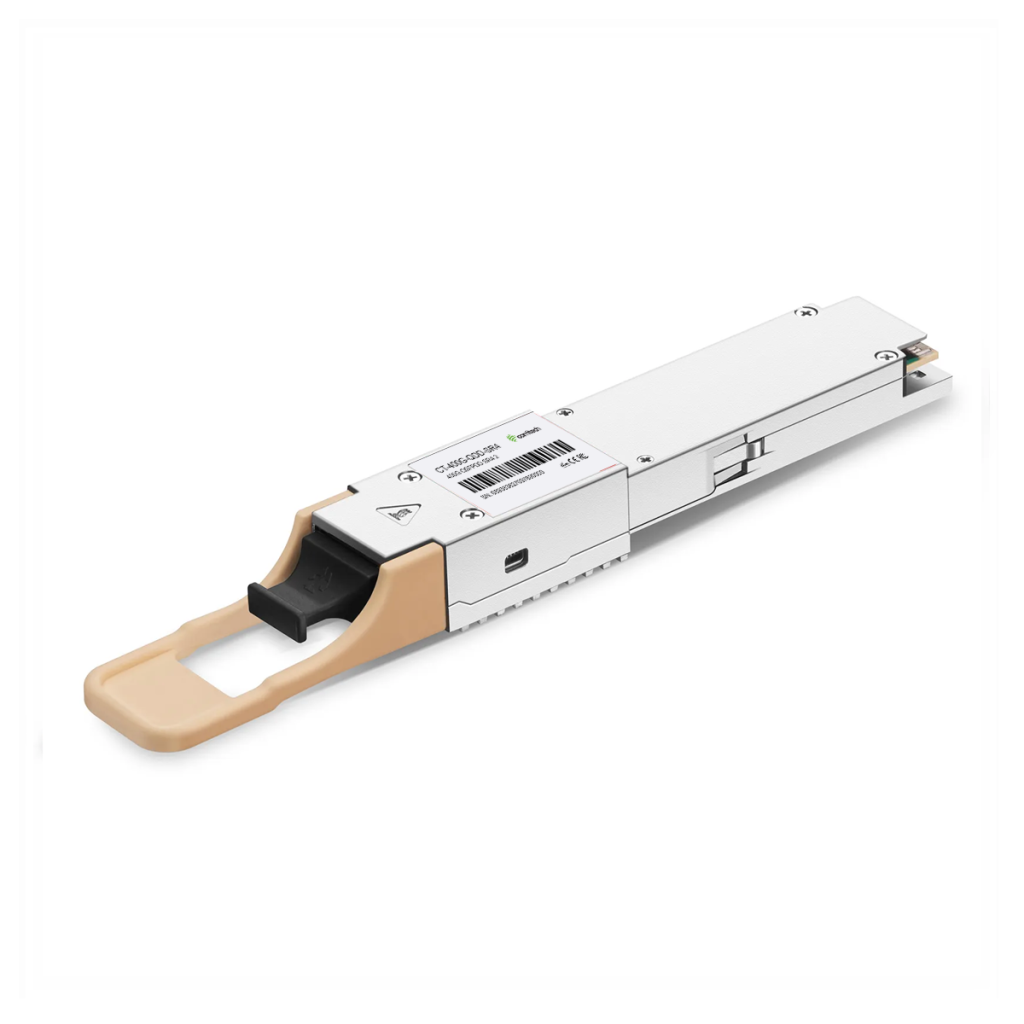
The 400Gbps QSFP-DD SR4, also known as 400GBASE SR4 QDD Optical Transceiver, is a high-speed, short-range optical module designed for high-performance data communication over multimode fiber (MMF). Engineered for hyperscale data centers, cloud computing environments, and enterprise networks, this transceiver ensures efficient and reliable high-speed connectivity for demanding applications.
Equipped with eight full-duplex data lanes, each operating at 25.78125Gbps, this transceiver achieves an aggregate bandwidth of 200Gbps, making it a powerful solution for high-bandwidth applications. It utilizes OM3 fiber to support transmission distances up to 70 meters and OM4 fiber to extend reach up to 100 meters, providing flexible deployment options for modern data center architectures.
Using an 850nm VCSEL (Vertical Cavity Surface Emitting Laser) array for transmission and a PIN photodetector array for reception, the 400G QSFP-DD SR4 module delivers low-latency and energy-efficient performance while supporting 2x100GBASE-SR4 Ethernet standards. With a maximum power consumption of under 4W, this module ensures efficient power usage, reducing operational costs and heat output in high-density networking environments.
Housed in a hot-pluggable QSFP-DD form factor, this transceiver is designed for easy integration and quick deployment into existing network infrastructures. The inclusion of an MPO-24 optical connector allows for high-density fiber connectivity, making it ideal for scalable network growth.
The 400G QSFP-DD SR4 transceiver supports advanced internal Clock and Data Recovery (CDR) circuits on both the transmitter and receiver channels, with CDR bypass capability for flexible and low-latency networking. This feature enhances signal integrity and performance stability, ensuring smooth data flow in mission-critical applications.
With a wide case operating temperature range of 0°C to 70°C, the transceiver is built to withstand varied operating conditions in data centers, cloud environments, and high-speed network infrastructures. Additionally, it is fully compliant with RoHS standards, demonstrating adherence to environmental and safety regulations, making it a sustainable and future-proof solution for next-generation networking.